Rubber Sheets

Usage and Advantages
Rubber sheets are versatile materials used across many sectors due to their excellent physical and mechanical properties. Whether in industry, construction, or crafting, they provide a durable and effective solution for diverse applications.
Applications of Rubber Sheets
- Sealing: Widely used to create seals in plumbing systems, vehicles, and industrial machinery, ensuring perfect isolation against liquid and gas leaks.
- Insulation: Provides high-quality thermal, acoustic, and electrical insulation, ideal for industrial and construction environments.
- Surface Protection: Frequently used as flooring or protective mats in workshops, warehouses, and work areas due to their wear resistance.
- Vibration Damping: Used to absorb vibrations and reduce noise in industrial machinery and equipment, extending their lifespan.
- Custom Part Manufacturing: Can be cut into gaskets, washers, belts, and other specific components tailored to sectors like automotive and aerospace.
Advantages of Rubber Sheets
- Durability: Resistant to weather, chemicals, oils, and UV rays, reliable even under extreme conditions.
- Flexibility: Adapts to various environments without deforming, ensuring long-lasting performance.
- Impact Resistance: Absorbs shocks and impacts, protecting sensitive equipment.
- Ease of Installation and Maintenance: Easy to cut, install, and maintain, making them economical and practical.
[dt_fancy_separator separator_style=”dashed” separator_color=”accent” el_width=”50%”]
Parablond Sheets

Usage and Advantages
Parablond sheets are innovative materials designed for exceptional performance in demanding environments. Made from high-quality synthetic rubber, they are valued for their strength and flexibility, indispensable in industrial and technical applications.
Applications of Parablond Sheets
- Automotive Industry: Used for seals, linings, and gaskets in vehicles due to their resistance to high temperatures, oils, and fuels.
- Chemical Industry: Ideal for environments handling corrosive substances, thanks to resistance to aggressive chemicals.
- Construction: Waterproofing roofs, foundations, and facades, ensuring protection against water and moisture.
- Vibration and Noise Reduction: Absorbs vibrations in industrial machines, reducing noise while offering thermal insulation.
- Custom Technical Components: Cut into gaskets, washers, belts, and other tailored parts.
Advantages of Parablond Sheets
- Resistance to Extreme Conditions: Withstands extreme temperatures, abrasion, UV rays, and ozone.
- High Performance: Maintains properties under high pressure and mechanical stress.
- Versatility: Fits multiple sectors like automotive, construction, and chemical.
- Durability: Fewer replacements needed, making them cost-effective long-term.
[dt_fancy_separator separator_style=”dashed” separator_color=”accent” el_width=”50%”]
Silicone Sheets

Usage and Advantages
Known for unique properties combining resistance to extreme temperatures and flexibility. Ideal for high-performance applications across industries.
Applications of Silicone Sheets
- Food and Pharmaceutical Industries: Used in seals for food machinery and medical equipment due to non-toxicity and compliance with health standards.
- Automotive and Aerospace: For high-temperature-resistant seals, membranes, and thermal protections in engines.
- Electrical Insulation: Excellent dielectric properties make them suitable for cables, electronics, and solar panels.
- Sealing and Protection: Ideal for gaskets exposed to weather, oils, and chemicals.
- Molding and Manufacturing: Used in molds for plastic, resin, and rubber parts due to flexibility and heat resistance.
Advantages of Silicone Sheets
- Extreme Temperature Resistance: Operates between -60°C and +230°C.
- Chemical Resistance: Withstands most chemicals, oils, and ozone.
- Durability: Retains shape and elasticity after repeated use.
- UV and Weatherproof: Perfect for outdoor applications.
- Non-Toxic: Safe for food and medical use.
[dt_fancy_separator separator_style=”dashed” separator_color=”accent” el_width=”50%”]
Conveyor Belts

Usage and Advantages
Key equipment in industrial sectors for continuous transport of materials. Designed for durability and efficiency.
Applications of Conveyor Belts
- Mining: For transporting coal, minerals, and bulk materials over long distances.
- Food Industry: Ensures safe transport of raw materials and finished products.
- Manufacturing: Essential for moving products along production lines.
- Logistics: Facilitates package handling in warehouses and distribution centers.
- Recycling: Used in waste management processes.
Advantages of Conveyor Belts
- Efficiency: Continuous, fast material transport increases productivity.
- Flexibility: Available in materials like rubber, PVC, PU, adapted for specific industries.
- Durability: Withstands abrasion, extreme temperatures, and chemicals.
- Low Maintenance: Reliable design reduces operating costs.
- Safety: Automates handling, reducing manual accidents.
[dt_fancy_separator separator_style=”dashed” separator_color=”accent” el_width=”50%”]
Rubber Sleeves

Usage and Advantages
Essential for flexible, reliable sealing and protection of connections and conduits in industrial applications.
Applications of Rubber Sleeves
- Pipe Connections: Ensures sealing between pipes, absorbs vibrations, and adjusts for misalignment.
- Electrical Protection: Shields cables from mechanical damage and water infiltration.
- Automotive: Used for suspension boots, exhaust joints, and cooling systems.
- Industrial Sector: For sealing in systems with pressure or temperature variations.
- Fluid Transport: Ideal for transporting chemicals, oils, and gases.
Advantages of Rubber Sleeves
- Elasticity and Flexibility: Adapts to movement in dynamic environments.
- Weather and Chemical Resistance: Withstands heat, UV rays, and chemicals.
- Vibration Absorption: Reduces wear and noise.
- Ease of Installation: Simple to install and maintain.
- Adaptability: Available in EPDM, neoprene, and nitrile for diverse applications.
[dt_fancy_separator separator_style=”dashed” separator_color=”accent” el_width=”50%”]
Ribbed Rubber Mats

Usage and Advantages
Robust, versatile flooring solutions used in industrial, commercial, and residential spaces.
Applications of Ribbed Rubber Mats
- Industrial Areas: Protects against slips and resists chemicals and oils.
- Entrances and Hallways: Anti-slip surface prevents accidents.
- Vehicle Flooring: Provides grip and protection in trucks and trailers.
- Sports and Gyms: Impact-resistant surfaces for gyms and recreational areas.
- Stairs and Ramps: Increases safety with non-slip coverage.
Advantages of Ribbed Rubber Mats
- Anti-Slip Surface: Reduces slip risks, even in wet or oily environments.
- Durability: Resists wear from chemicals, oils, and abrasion.
- Easy Maintenance: Simple to clean, ideal for high-traffic areas.
- Comfort and Safety: Cushions impact and vibrations, providing comfort for prolonged standing.
- Versatility: Available in various sizes and thicknesses for diverse needs.
[dt_icon_text dt_text_title=”Call US !” heading_tag=”p” dt_text_title_font_style=”normal:normal:none” dt_text_title_bottom_margin=”20px” dt_text_desc=”+212 669 958 333
+212 522 409 770
+212 522 409 771″ dt_text_content_font_style=”normal:bold:none” dt_text_content_font_size=”29px” dt_text_content_line_height=”34px” dt_text_custom_content_color=”#222222″ show_btn=”n” icon_picker=”icomoon-the7-font-the7-phone-03″ dt_text_icon_size=”48px” dt_text_icon_bg_size=”48px” dt_text_icon_border_width=”2px” dt_text_icon_paddings=”0px 0px 25px 0px” dt_text_icon_color=”” dt_icon_bg=”n”]
[dt_icon_text dt_text_title=”Mail” heading_tag=”p” dt_text_title_font_style=”normal:normal:none” dt_text_title_bottom_margin=”20px” dt_text_desc=”contact@maroc-joint.com” dt_text_content_font_style=”normal:bold:none” dt_text_content_font_size=”20px” dt_text_content_line_height=”28px” dt_text_custom_content_color=”#222222″ show_btn=”n” icon_picker=”icomoon-the7-font-the7-mail-03″ dt_text_icon_size=”48px” dt_text_icon_bg_size=”48px” dt_text_icon_border_width=”2px” dt_text_icon_paddings=”0px 0px 25px 0px” dt_text_icon_color=”” dt_icon_bg=”n”]
[dt_icon_text dt_text_title=”Location” heading_tag=”p” dt_text_title_font_style=”normal:normal:none” dt_text_title_bottom_margin=”20px” dt_text_desc=”18 , Rue RocRoy – BD Emile Zola – BELVEDERE – CASABLANCA” dt_text_content_font_style=”normal:bold:none” dt_text_content_font_size=”18px” dt_text_content_line_height=”28px” dt_text_custom_content_color=”#222222″ show_btn=”n” icon_picker=”icomoon-the7-font-the7-map-05″ dt_text_icon_size=”48px” dt_text_icon_bg_size=”48px” dt_text_icon_border_width=”2px” dt_text_icon_paddings=”0px 0px 25px 0px” dt_text_icon_color=”” dt_icon_bg=”n”]
Contact US !
Our Catalog
[dt_blog_carousel post_type=”posts” order=”asc” dis_posts_total=”15″ posts_offset=”0″ custom_content_bg_color=”#0070c0″ post_content_paddings=”15px 15px 15px 15px” resized_image_dimensions=”1×1″ image_scale_animation_on_hover=”quick_scale” image_hover_bg_color=”default” slides_on_wide_desk=”5″ slides_on_desk=”5″ slides_on_lapt=”5″ autoplay=”y” autoplay_speed=”2000″ content_alignment=”center” post_title_font_size=”17px” custom_title_color=”#ffffff” post_date=”n” post_category=”n” post_author=”n” post_comments=”n” post_content=”off” read_more_button=”off” arrow_bg_width=”36x” arrow_border_width=”0px” r_arrow_icon_paddings=”0px 0px 0px 0px” r_arrow_v_offset=”0px” l_arrow_icon_paddings=”0px 0px 0px 0px” l_arrow_v_offset=”0px” posts=”” css_dt_blog_carousel=”.vc_custom_1683631627800{border-radius: 2px !important;}”]
Rubber Profiles
Rubber Profiles
Usage and Advantages
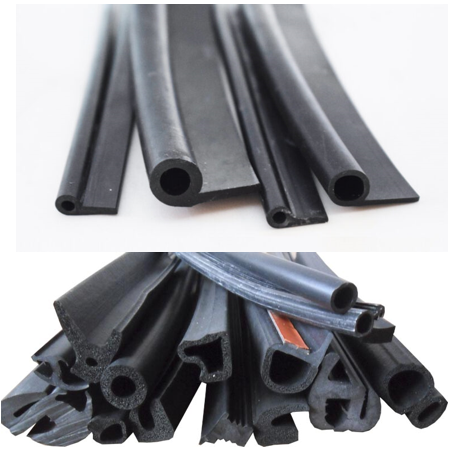
Rubber profiles are essential components in many industrial and commercial sectors. Their ability to provide sealing, insulation, and optimal protection makes them reliable solutions for numerous technical applications. Available in various shapes and sizes, rubber profiles are designed to meet specific requirements.
Applications of Rubber Profiles
- Sealing for Windows and Doors: Rubber profiles are commonly used to seal windows and doors in buildings, vehicles, and industrial equipment. They prevent the infiltration of water, dust, and air while ensuring effective thermal and acoustic insulation.
- Automotive Industry: In cars, trucks, and other vehicles, rubber profiles are used to seal doors, trunks, and windshields while offering protection against vibrations and weather conditions.
- Panel and Machine Edging: Profiles are used to protect and insulate sharp edges on metal panels and machinery, reducing the risk of injury and ensuring installation safety.
- Maritime and Railway Sectors: Rubber profiles are used to seal cabins, windows, and compartments in ships and trains, providing protection against vibrations and moisture.
- Construction: In construction projects, they are used to fill expansion joints and gaps between building materials such as concrete, glass, or metal, ensuring durable and flexible sealing.
Advantages of Rubber Profiles
- Sealing and Insulation: With their flexibility and ability to fit various surfaces, rubber profiles provide effective sealing against water, air, and dust while offering high-quality thermal and acoustic insulation.
- Resistance to Extreme Conditions: Rubber profiles resist extreme temperatures, weather conditions, UV exposure, and chemicals, making them suitable for outdoor or demanding industrial environments.
- Flexibility and Adaptability: Easy to install, rubber profiles can be manufactured in various shapes and sizes to fit any configuration or specific application.
- Vibration Absorption: They are designed to absorb shocks and vibrations, reducing noise and equipment damage while enhancing installation durability.
- Durability: With their longevity and low maintenance requirements, rubber profiles are a cost-effective solution capable of operating efficiently for many years without performance loss.
[dt_fancy_separator separator_style=”dashed” separator_color=”accent” el_width=”50%”]
Dock Fenders
Usage and Advantages
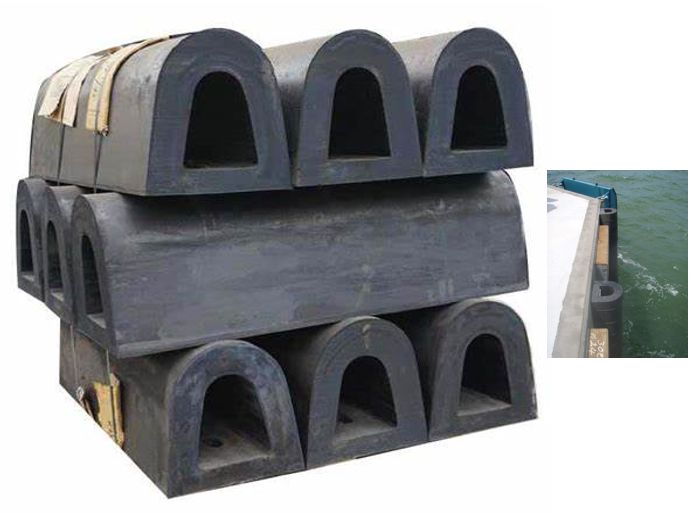
Dock fenders are essential devices used to protect ships and port structures during docking maneuvers. Made from durable materials such as rubber or polyurethane, these fenders act as shock absorbers to absorb the impact between the ship and the dock, thereby reducing the risk of damage.
Applications of Dock Fenders
- Ports and Docks: Dock fenders are installed along docks to protect port structures from impacts during ship mooring. They help preserve the integrity of port facilities.
- Ships and Boats: Fenders are attached to the hulls of ships or boats to minimize damage in the event of collisions with other vessels or during docking at ports or marinas.
- Floating Structures: They are used on pontoons, offshore platforms, and other floating structures to provide protection against impacts and friction caused by vessels.
- Fishing and Recreational Boats: Smaller vessels, such as fishing boats and leisure boats, also use dock fenders to prevent damage to their hulls when docking at marinas or quays.
Advantages of Dock Fenders
- Impact Protection: Dock fenders absorb the energy of impacts between the ship and the dock, reducing the risk of costly damage to ships and port infrastructure.
- Durable Materials: Made from high-resistance rubber, polyurethane, or other durable materials, they can withstand extreme marine conditions such as saltwater, UV rays, and abrasion.
- Reduced Repair Costs: By minimizing impacts and friction between ships and docks, dock fenders help reduce repair costs for both ships and port facilities.
- Durability: Designed for long-term use, even in harsh conditions, fenders resist weather changes, temperature variations, and prolonged water exposure.
- Easy Installation and Maintenance: Dock fenders are easy to install on docks or directly on ships. Their design requires minimal maintenance, making them an economical and reliable solution for ports and vessels.
[dt_fancy_separator separator_style=”dashed” separator_color=”accent” el_width=”50%”]
Water Stop / Rubber Waterproofing
Usage and Advantages
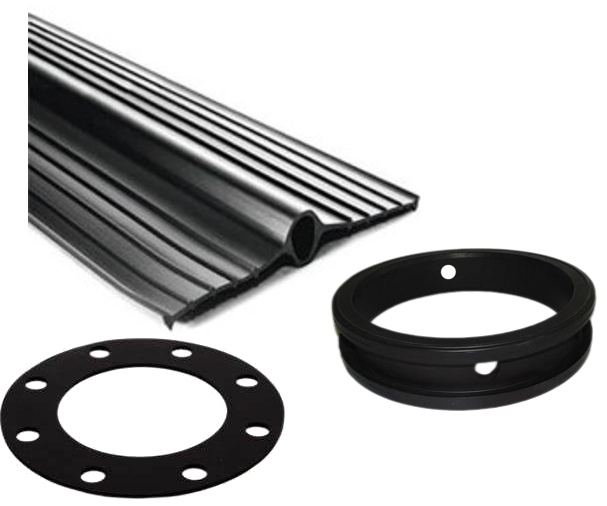
Rubber Water Stops are indispensable systems for ensuring the waterproofing of construction joints in hydraulic structures, foundations, and other structures exposed to water pressure. Designed to prevent water infiltration through expansion joints and cracks, they are used in various applications ranging from basements to reservoirs and tunnels.
Applications of Rubber Water Stops
- Concrete Structures: Water Stops are commonly used in expansion and construction joints of foundations, basements, slabs, and concrete walls. They prevent water from infiltrating through the junctions between different concrete sections.
- Reservoirs and Basins: In water storage tanks, retention basins, and dams, rubber Water Stops ensure perfect sealing, preventing leaks that could weaken the structure.
- Tunnels and Canals: Tunnels and canals exposed to water require maximum waterproofing to avoid infiltration under high pressure. Water Stops are installed at critical points to ensure water protection.
- Bridges and Maritime Structures: Used in structures in constant contact with water (bridges, piers, docks), Water Stops protect joints and ensure water does not penetrate the foundations.
- Pools and Dams: In the construction of pools and dams, where waterproofing is crucial, rubber Water Stops are used to seal joints and ensure the integrity of structures under pressure.
Advantages of Rubber Water Stops
- Optimal Waterproofing: Designed to effectively block water infiltration through construction joints, rubber Water Stops ensure reliable sealing even under high water pressure.
- Flexibility and Adaptability: The rubber used in Water Stops is highly flexible, allowing it to adapt to concrete movements without losing its efficiency. This makes it particularly useful in expansion joints with frequent movements.
- Chemical and Water Resistance: Rubber is resistant to degradation caused by chemicals, wastewater, and temperature variations, ensuring long service life in demanding environments.
- Durability: With high resistance to abrasion and wear, rubber Water Stops maintain their waterproofing properties for decades, even in challenging conditions.
- Ease of Installation: Easy to install in concrete joints during pouring, rubber Water Stops do not require special equipment and can be adapted to the shapes and dimensions of structures.
[dt_fancy_separator separator_style=”dashed” separator_color=”accent” el_width=”50%”]
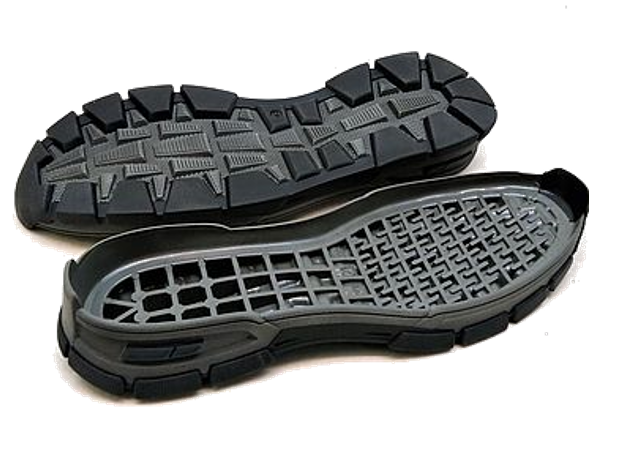
Soles and Heels
Usage and Advantages
High-quality soles and heels for work shoes are essential for ensuring comfort, safety, and durability in demanding professional environments. Whether on a construction site, in a factory, or any workplace requiring safety footwear, robust soles and heels guarantee optimal protection against risks related to slips, impacts, and harsh conditions.
Applications of Soles and Heels for Work Shoes
- Industrial Environments: Slip-resistant and chemical-resistant soles are essential for workers in factories, workshops, or laboratories to prevent accidents and slips.
- Construction Sites: Work shoes with reinforced soles and sturdy heels provide protection against sharp objects, falling heavy materials, and uneven surfaces on construction sites.
- Logistics and Warehouses: Abrasion-resistant soles and heels with good grip are used in warehouses to offer better traction, reduce fall risks, and improve comfort during long hours of standing or walking.
- Electrical Environments: Certain specific rubber soles with electrical insulation are used to protect workers from electrical hazards, especially in the electricity or public service sectors.
- Food Industry: In this sector, high-quality rubber soles provide resistance to wet and slippery environments while ensuring strict hygiene and optimal safety for workers.
Advantages of Soles and Heels for Work Shoes
- Slip Resistance: Soles designed for work shoes feature anti-slip properties that ensure excellent grip on wet, greasy, or slippery surfaces, reducing the risk of accidents caused by slips.
- Chemical and Temperature Resistance: High-quality rubber or polyurethane soles are resistant to oils, greases, solvents, and other chemicals commonly found in workplaces. They can also withstand extreme temperatures, ensuring safety in various environments.
- Shock Absorption: High-quality heels and soles offer excellent shock absorption, reducing foot and joint fatigue during long workdays, improving worker comfort and health.
- Longevity and Durability: Made from robust materials, the soles and heels of work shoes resist wear even in the harshest conditions, extending the shoes’ lifespan and reducing replacement costs.
- Electrical Insulation: In environments with electrical hazards, insulating rubber soles provide added protection, reducing the risk of electrocution.
- Comfort and Stability: Well-designed, ergonomic heels ensure optimal stability when moving on uneven surfaces while offering enhanced comfort during long hours of standing.
[dt_icon_text dt_text_title=”Call US !” heading_tag=”p” dt_text_title_font_style=”normal:normal:none” dt_text_title_bottom_margin=”20px” dt_text_desc=”+212 669 958 333
+212 522 409 770
+212 522 409 771″ dt_text_content_font_style=”normal:bold:none” dt_text_content_font_size=”29px” dt_text_content_line_height=”34px” dt_text_custom_content_color=”#222222″ show_btn=”n” icon_picker=”icomoon-the7-font-the7-phone-03″ dt_text_icon_size=”48px” dt_text_icon_bg_size=”48px” dt_text_icon_border_width=”2px” dt_text_icon_paddings=”0px 0px 25px 0px” dt_text_icon_color=”” dt_icon_bg=”n”]
[dt_icon_text dt_text_title=”Mail” heading_tag=”p” dt_text_title_font_style=”normal:normal:none” dt_text_title_bottom_margin=”20px” dt_text_desc=”contact@maroc-joint.com” dt_text_content_font_style=”normal:bold:none” dt_text_content_font_size=”20px” dt_text_content_line_height=”28px” dt_text_custom_content_color=”#222222″ show_btn=”n” icon_picker=”icomoon-the7-font-the7-mail-03″ dt_text_icon_size=”48px” dt_text_icon_bg_size=”48px” dt_text_icon_border_width=”2px” dt_text_icon_paddings=”0px 0px 25px 0px” dt_text_icon_color=”” dt_icon_bg=”n”]
[dt_icon_text dt_text_title=”Location” heading_tag=”p” dt_text_title_font_style=”normal:normal:none” dt_text_title_bottom_margin=”20px” dt_text_desc=”18 , Rue RocRoy – BD Emile Zola – BELVEDERE – CASABLANCA” dt_text_content_font_style=”normal:bold:none” dt_text_content_font_size=”18px” dt_text_content_line_height=”28px” dt_text_custom_content_color=”#222222″ show_btn=”n” icon_picker=”icomoon-the7-font-the7-map-05″ dt_text_icon_size=”48px” dt_text_icon_bg_size=”48px” dt_text_icon_border_width=”2px” dt_text_icon_paddings=”0px 0px 25px 0px” dt_text_icon_color=”” dt_icon_bg=”n”]
Contact US !
Our Catalog
[dt_blog_carousel post_type=”posts” order=”asc” dis_posts_total=”15″ posts_offset=”0″ custom_content_bg_color=”#0070c0″ post_content_paddings=”15px 15px 15px 15px” resized_image_dimensions=”1×1″ image_scale_animation_on_hover=”quick_scale” image_hover_bg_color=”default” slides_on_wide_desk=”5″ slides_on_desk=”5″ slides_on_lapt=”5″ autoplay=”y” autoplay_speed=”2000″ content_alignment=”center” post_title_font_size=”17px” custom_title_color=”#ffffff” post_date=”n” post_category=”n” post_author=”n” post_comments=”n” post_content=”off” read_more_button=”off” arrow_bg_width=”36x” arrow_border_width=”0px” r_arrow_icon_paddings=”0px 0px 0px 0px” r_arrow_v_offset=”0px” l_arrow_icon_paddings=”0px 0px 0px 0px” l_arrow_v_offset=”0px” posts=”” css_dt_blog_carousel=”.vc_custom_1683631627800{border-radius: 2px !important;}”]
GAS REGULATOR JOINT
GAS REGULATOR JOINT
Usage and Advantages
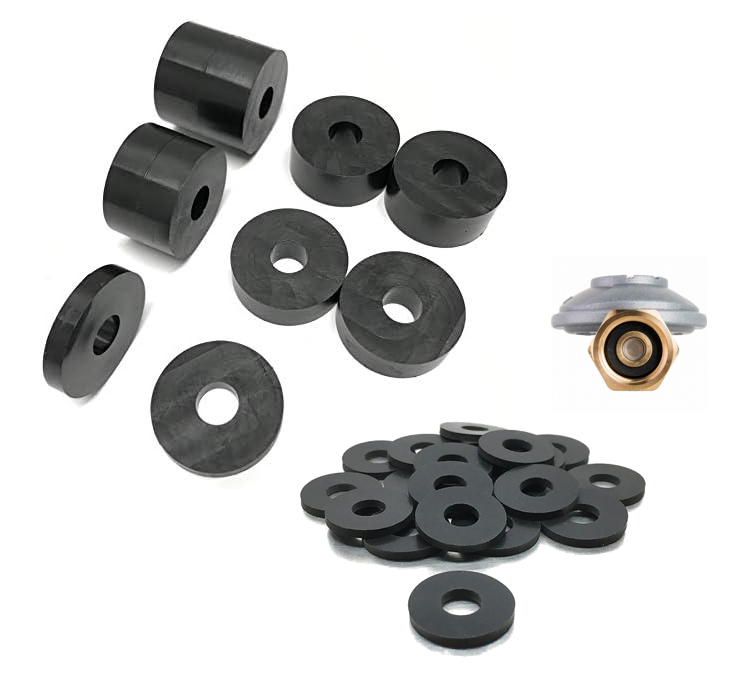
Gas joints are essential components in gas distribution and utilization systems, whether for natural gas, propane, or butane. These joints ensure tightness between the different fittings and components of gas installations, guaranteeing optimal safety and preventing any dangerous leaks. Made from durable materials such as rubber, PTFE, or other polymers, they are designed to withstand the demanding conditions of high-pressure environments and varying temperatures.
Applications of Gas Joints
- Domestic Installations: Gas joints are used in the connections of stoves, water heaters, boilers, and other gas-powered appliances in homes, ensuring perfect sealing of the fittings and guaranteeing the safety of the occupants.
- Industrial Systems: In industrial environments where gas is used as an energy source or in manufacturing processes, gas joints are essential for securing pipelines and fittings, preventing leaks that could lead to explosion risks.
- Gas Distribution Networks: In infrastructures for the distribution of natural gas or propane, joints ensure sealing between different pipeline segments and measuring devices, minimizing losses and optimizing network safety.
- Gas Vehicles: In vehicles running on compressed natural gas (CNG) or liquefied petroleum gas (LPG), gas joints are used to seal the components of the gas supply system, ensuring reliable and safe operation.
Advantages of Gas Joints
- Optimal Sealing: Gas joints are designed to provide perfect sealing, preventing any gas leakage, even under high pressures. This ensures the safety of gas supply systems and protects against fire or explosion risks.
- Resistance to High Pressure and Temperatures: Made from high-quality materials, these joints can withstand significant variations in temperature and pressure while maintaining their integrity and sealing efficiency.
- Durability: The materials used for gas joints, such as nitrile rubber or PTFE, offer excellent resistance to chemicals, hydrocarbons, and solvents, ensuring long service life even under extreme conditions.
- Ease of Installation: Gas joints are easy to install and replace, ensuring a perfect fit between the components of gas systems without requiring special tools.
- Compliance with Safety Standards: High-quality gas joints comply with strict safety standards for gas transportation and use. They are manufactured to meet the requirements of industrial and residential sectors, ensuring maximum protection.
- Increased Reliability and Safety: By ensuring impeccable sealing, gas joints help reduce the risk of leaks, thereby guaranteeing the safe operation of gas distribution systems in domestic and industrial environments.
[dt_icon_text dt_text_title=”Call US !” heading_tag=”p” dt_text_title_font_style=”normal:normal:none” dt_text_title_bottom_margin=”20px” dt_text_desc=”+212 669 958 333
+212 522 409 770
+212 522 409 771″ dt_text_content_font_style=”normal:bold:none” dt_text_content_font_size=”29px” dt_text_content_line_height=”34px” dt_text_custom_content_color=”#222222″ show_btn=”n” icon_picker=”icomoon-the7-font-the7-phone-03″ dt_text_icon_size=”48px” dt_text_icon_bg_size=”48px” dt_text_icon_border_width=”2px” dt_text_icon_paddings=”0px 0px 25px 0px” dt_text_icon_color=”” dt_icon_bg=”n”]
[dt_icon_text dt_text_title=”Mail” heading_tag=”p” dt_text_title_font_style=”normal:normal:none” dt_text_title_bottom_margin=”20px” dt_text_desc=”contact@maroc-joint.com” dt_text_content_font_style=”normal:bold:none” dt_text_content_font_size=”20px” dt_text_content_line_height=”28px” dt_text_custom_content_color=”#222222″ show_btn=”n” icon_picker=”icomoon-the7-font-the7-mail-03″ dt_text_icon_size=”48px” dt_text_icon_bg_size=”48px” dt_text_icon_border_width=”2px” dt_text_icon_paddings=”0px 0px 25px 0px” dt_text_icon_color=”” dt_icon_bg=”n”]
[dt_icon_text dt_text_title=”Location” heading_tag=”p” dt_text_title_font_style=”normal:normal:none” dt_text_title_bottom_margin=”20px” dt_text_desc=”18 , Rue RocRoy – BD Emile Zola – BELVEDERE – CASABLANCA” dt_text_content_font_style=”normal:bold:none” dt_text_content_font_size=”18px” dt_text_content_line_height=”28px” dt_text_custom_content_color=”#222222″ show_btn=”n” icon_picker=”icomoon-the7-font-the7-map-05″ dt_text_icon_size=”48px” dt_text_icon_bg_size=”48px” dt_text_icon_border_width=”2px” dt_text_icon_paddings=”0px 0px 25px 0px” dt_text_icon_color=”” dt_icon_bg=”n”]
Contact US !
Our Catalog
[dt_blog_carousel post_type=”posts” order=”asc” dis_posts_total=”15″ posts_offset=”0″ custom_content_bg_color=”#0070c0″ post_content_paddings=”15px 15px 15px 15px” resized_image_dimensions=”1×1″ image_scale_animation_on_hover=”quick_scale” image_hover_bg_color=”default” slides_on_wide_desk=”5″ slides_on_desk=”5″ slides_on_lapt=”5″ autoplay=”y” autoplay_speed=”2000″ content_alignment=”center” post_title_font_size=”17px” custom_title_color=”#ffffff” post_date=”n” post_category=”n” post_author=”n” post_comments=”n” post_content=”off” read_more_button=”off” arrow_bg_width=”36x” arrow_border_width=”0px” r_arrow_icon_paddings=”0px 0px 0px 0px” r_arrow_v_offset=”0px” l_arrow_icon_paddings=”0px 0px 0px 0px” l_arrow_v_offset=”0px” posts=”” css_dt_blog_carousel=”.vc_custom_1683631627800{border-radius: 2px !important;}”]
Oil seals
Oil seals
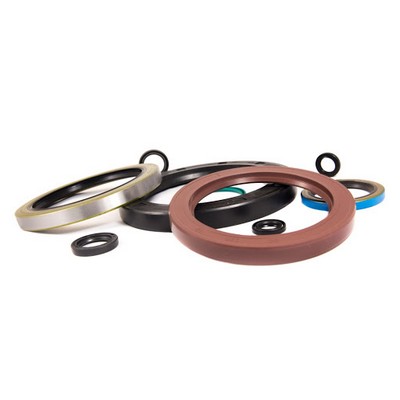
Oil seals, also known as shaft seals or rotary seals, are mechanical components designed to prevent the leakage of fluids or lubricants from rotating or reciprocating shafts. They are commonly used in a variety of industrial applications to protect bearings, gears, and other components from contamination and ensure smooth operation.
Oil seals are typically made from elastomeric materials such as nitrile, fluor-elastomer, or silicone, which are capable of maintaining their sealing properties over a wide range of temperatures and pressures. They feature a flexible lip that makes contact with the shaft and prevents fluid from leaking along the shaft surface.
[dt_icon_text dt_text_title=”Call US !” heading_tag=”p” dt_text_title_font_style=”normal:normal:none” dt_text_title_bottom_margin=”20px” dt_text_desc=”+212 669 958 333
+212 522 409 770
+212 522 409 771″ dt_text_content_font_style=”normal:bold:none” dt_text_content_font_size=”29px” dt_text_content_line_height=”34px” dt_text_custom_content_color=”#222222″ show_btn=”n” icon_picker=”icomoon-the7-font-the7-phone-03″ dt_text_icon_size=”48px” dt_text_icon_bg_size=”48px” dt_text_icon_border_width=”2px” dt_text_icon_paddings=”0px 0px 25px 0px” dt_text_icon_color=”” dt_icon_bg=”n”]
[dt_icon_text dt_text_title=”Mail” heading_tag=”p” dt_text_title_font_style=”normal:normal:none” dt_text_title_bottom_margin=”20px” dt_text_desc=”Marocjoints@gmail.com” dt_text_content_font_style=”normal:bold:none” dt_text_content_font_size=”20px” dt_text_content_line_height=”28px” dt_text_custom_content_color=”#222222″ show_btn=”n” icon_picker=”icomoon-the7-font-the7-mail-03″ dt_text_icon_size=”48px” dt_text_icon_bg_size=”48px” dt_text_icon_border_width=”2px” dt_text_icon_paddings=”0px 0px 25px 0px” dt_text_icon_color=”” dt_icon_bg=”n”]
[dt_icon_text dt_text_title=”Location” heading_tag=”p” dt_text_title_font_style=”normal:normal:none” dt_text_title_bottom_margin=”20px” dt_text_desc=”18 , Rue RocRoy – BD Emile Zola – BELVEDERE – CASABLANCA” dt_text_content_font_style=”normal:bold:none” dt_text_content_font_size=”18px” dt_text_content_line_height=”28px” dt_text_custom_content_color=”#222222″ show_btn=”n” icon_picker=”icomoon-the7-font-the7-map-05″ dt_text_icon_size=”48px” dt_text_icon_bg_size=”48px” dt_text_icon_border_width=”2px” dt_text_icon_paddings=”0px 0px 25px 0px” dt_text_icon_color=”” dt_icon_bg=”n”]
Contact US !
Our Catalog
[dt_blog_carousel post_type=”posts” order=”asc” dis_posts_total=”15″ posts_offset=”0″ custom_content_bg_color=”#0070c0″ post_content_paddings=”15px 15px 15px 15px” resized_image_dimensions=”1×1″ image_scale_animation_on_hover=”quick_scale” image_hover_bg_color=”default” slides_on_wide_desk=”5″ slides_on_desk=”5″ slides_on_lapt=”5″ autoplay=”y” autoplay_speed=”2000″ content_alignment=”center” post_title_font_size=”17px” custom_title_color=”#ffffff” post_date=”n” post_category=”n” post_author=”n” post_comments=”n” post_content=”off” read_more_button=”off” arrow_bg_width=”36x” arrow_border_width=”0px” r_arrow_icon_paddings=”0px 0px 0px 0px” r_arrow_v_offset=”0px” l_arrow_icon_paddings=”0px 0px 0px 0px” l_arrow_v_offset=”0px” posts=”” css_dt_blog_carousel=”.vc_custom_1683631627800{border-radius: 2px !important;}”]
Graphite gaskets
Graphite gaskets
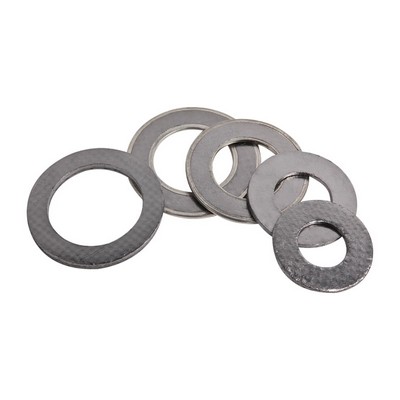
Graphite gaskets are sealing gaskets used to seal pipe flange surfaces, heat exchangers, storage tanks, pumps, and other industrial equipment that require high heat and corrosion resistance. They are made from compressed graphite sheets with metal reinforcements for added strength.
Graphite gaskets are highly valued for their heat resistance, corrosion resistance, chemical resistance, and pressure resistance. They can withstand temperatures up to 500°C, making them suitable for high-temperature industrial applications. Graphite gaskets are also known for their low friction coefficient, wear resistance, and ability to conform to uneven sealing surfaces.
There are different types of graphite gaskets available on the market, including pure graphite gaskets, expanded graphite gaskets, laminated graphite gaskets, and braided graphite gaskets. The choice of gasket type depends on the specific application and technical requirements.
Graphite gaskets are easy to install and are often used with pipe flanges, heat exchangers, storage tanks, and similar equipment. It is important to follow the manufacturer’s instructions for installing and tightening graphite gaskets to ensure effective and reliable sealing.
[dt_icon_text dt_text_title=”Call US !” heading_tag=”p” dt_text_title_font_style=”normal:normal:none” dt_text_title_bottom_margin=”20px” dt_text_desc=”+212 669 958 333
+212 522 409 770
+212 522 409 771″ dt_text_content_font_style=”normal:bold:none” dt_text_content_font_size=”29px” dt_text_content_line_height=”34px” dt_text_custom_content_color=”#222222″ show_btn=”n” icon_picker=”icomoon-the7-font-the7-phone-03″ dt_text_icon_size=”48px” dt_text_icon_bg_size=”48px” dt_text_icon_border_width=”2px” dt_text_icon_paddings=”0px 0px 25px 0px” dt_text_icon_color=”” dt_icon_bg=”n”]
[dt_icon_text dt_text_title=”Mail” heading_tag=”p” dt_text_title_font_style=”normal:normal:none” dt_text_title_bottom_margin=”20px” dt_text_desc=”Marocjoints@gmail.com” dt_text_content_font_style=”normal:bold:none” dt_text_content_font_size=”20px” dt_text_content_line_height=”28px” dt_text_custom_content_color=”#222222″ show_btn=”n” icon_picker=”icomoon-the7-font-the7-mail-03″ dt_text_icon_size=”48px” dt_text_icon_bg_size=”48px” dt_text_icon_border_width=”2px” dt_text_icon_paddings=”0px 0px 25px 0px” dt_text_icon_color=”” dt_icon_bg=”n”]
[dt_icon_text dt_text_title=”Location” heading_tag=”p” dt_text_title_font_style=”normal:normal:none” dt_text_title_bottom_margin=”20px” dt_text_desc=”18 , Rue RocRoy – BD Emile Zola – BELVEDERE – CASABLANCA” dt_text_content_font_style=”normal:bold:none” dt_text_content_font_size=”18px” dt_text_content_line_height=”28px” dt_text_custom_content_color=”#222222″ show_btn=”n” icon_picker=”icomoon-the7-font-the7-map-05″ dt_text_icon_size=”48px” dt_text_icon_bg_size=”48px” dt_text_icon_border_width=”2px” dt_text_icon_paddings=”0px 0px 25px 0px” dt_text_icon_color=”” dt_icon_bg=”n”]
Contact US !
Our Catalog
[dt_blog_carousel post_type=”posts” order=”asc” dis_posts_total=”15″ posts_offset=”0″ custom_content_bg_color=”#0070c0″ post_content_paddings=”15px 15px 15px 15px” resized_image_dimensions=”1×1″ image_scale_animation_on_hover=”quick_scale” image_hover_bg_color=”default” slides_on_wide_desk=”5″ slides_on_desk=”5″ slides_on_lapt=”5″ autoplay=”y” autoplay_speed=”2000″ content_alignment=”center” post_title_font_size=”17px” custom_title_color=”#ffffff” post_date=”n” post_category=”n” post_author=”n” post_comments=”n” post_content=”off” read_more_button=”off” arrow_bg_width=”36x” arrow_border_width=”0px” r_arrow_icon_paddings=”0px 0px 0px 0px” r_arrow_v_offset=”0px” l_arrow_icon_paddings=”0px 0px 0px 0px” l_arrow_v_offset=”0px” posts=”” css_dt_blog_carousel=”.vc_custom_1683631627800{border-radius: 2px !important;}”]
Klingersil gaskets
Klingersil gaskets
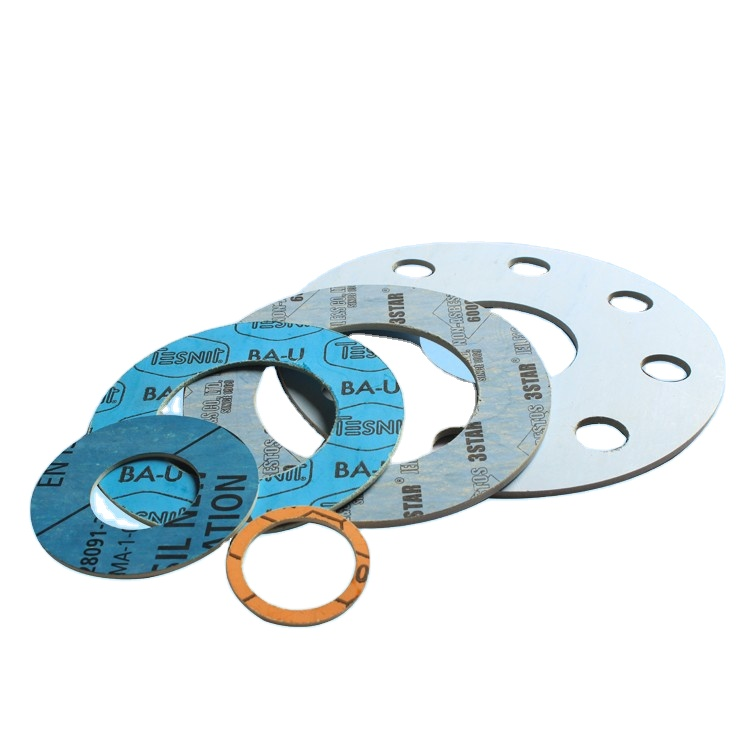
Klingersil gaskets are flat sealing gaskets that are used to seal pipeline flanges, heat exchangers, storage tanks, pumps, and other industrial equipment. They are made from asbestos fibers, ceramic fibers, aramid fibers, or composite materials and are reinforced with metal sheets. Klingersil gaskets are designed to withstand high pressures and temperatures as well as bending and compression stresses.
Klingersil gaskets are manufactured by Klinger, a manufacturer of industrial sealing gaskets and products. They are available in a range of styles and sizes to meet the specific needs of each application. Klingersil gasket styles include the Klingersil C-4400 gasket, the Klingersil C-4430 gasket, the Klingersil C-8200 gasket, and the Klingersil C-4500 gasket, to name a few.
The Klingersil gasket is often chosen for its sealing and corrosion resistance properties, as well as its ease of installation. Klingersil gaskets can be installed using a specific torque to ensure even compression of the material layers. It is important to follow the manufacturer’s instructions for installing and tightening Klingersil gaskets to ensure effective and reliable sealing. It should also be noted that some types of Klingersil gaskets may contain asbestos, which is a potentially hazardous material. Therefore, it is important to follow proper safety protocols when handling these gaskets and comply with applicable environmental regulations
[dt_icon_text dt_text_title=”Call US !” heading_tag=”p” dt_text_title_font_style=”normal:normal:none” dt_text_title_bottom_margin=”20px” dt_text_desc=”+212 669 958 333
+212 522 409 770
+212 522 409 771″ dt_text_content_font_style=”normal:bold:none” dt_text_content_font_size=”29px” dt_text_content_line_height=”34px” dt_text_custom_content_color=”#222222″ show_btn=”n” icon_picker=”icomoon-the7-font-the7-phone-03″ dt_text_icon_size=”48px” dt_text_icon_bg_size=”48px” dt_text_icon_border_width=”2px” dt_text_icon_paddings=”0px 0px 25px 0px” dt_text_icon_color=”” dt_icon_bg=”n”]
[dt_icon_text dt_text_title=”Mail” heading_tag=”p” dt_text_title_font_style=”normal:normal:none” dt_text_title_bottom_margin=”20px” dt_text_desc=”Marocjoints@gmail.com” dt_text_content_font_style=”normal:bold:none” dt_text_content_font_size=”20px” dt_text_content_line_height=”28px” dt_text_custom_content_color=”#222222″ show_btn=”n” icon_picker=”icomoon-the7-font-the7-mail-03″ dt_text_icon_size=”48px” dt_text_icon_bg_size=”48px” dt_text_icon_border_width=”2px” dt_text_icon_paddings=”0px 0px 25px 0px” dt_text_icon_color=”” dt_icon_bg=”n”]
[dt_icon_text dt_text_title=”Location” heading_tag=”p” dt_text_title_font_style=”normal:normal:none” dt_text_title_bottom_margin=”20px” dt_text_desc=”18 , Rue RocRoy – BD Emile Zola – BELVEDERE – CASABLANCA” dt_text_content_font_style=”normal:bold:none” dt_text_content_font_size=”18px” dt_text_content_line_height=”28px” dt_text_custom_content_color=”#222222″ show_btn=”n” icon_picker=”icomoon-the7-font-the7-map-05″ dt_text_icon_size=”48px” dt_text_icon_bg_size=”48px” dt_text_icon_border_width=”2px” dt_text_icon_paddings=”0px 0px 25px 0px” dt_text_icon_color=”” dt_icon_bg=”n”]
Contact US !
Our Catalog
[dt_blog_carousel post_type=”posts” order=”asc” dis_posts_total=”15″ posts_offset=”0″ custom_content_bg_color=”#0070c0″ post_content_paddings=”15px 15px 15px 15px” resized_image_dimensions=”1×1″ image_scale_animation_on_hover=”quick_scale” image_hover_bg_color=”default” slides_on_wide_desk=”5″ slides_on_desk=”5″ slides_on_lapt=”5″ autoplay=”y” autoplay_speed=”2000″ content_alignment=”center” post_title_font_size=”17px” custom_title_color=”#ffffff” post_date=”n” post_category=”n” post_author=”n” post_comments=”n” post_content=”off” read_more_button=”off” arrow_bg_width=”36x” arrow_border_width=”0px” r_arrow_icon_paddings=”0px 0px 0px 0px” r_arrow_v_offset=”0px” l_arrow_icon_paddings=”0px 0px 0px 0px” l_arrow_v_offset=”0px” posts=”” css_dt_blog_carousel=”.vc_custom_1683631627800{border-radius: 2px !important;}”]
Rubber foam strips
Rubber foam strips
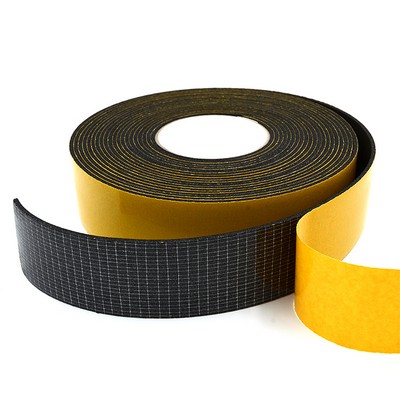
Rubber foam tapes are sealing and insulation products made from foam rubber. They are used to seal and insulate the gaps between two surfaces, absorb shocks and vibrations, and reduce noise and sound emissions.
Rubber foam tapes can be used in many industrial applications, including the automotive, aerospace, construction, electronics, medical equipment, and food industries. They can be used to seal doors, windows, panels, enclosures, and pipes, as well as to dampen vibrations in machinery and equipment.
The benefits of rubber foam tapes include their ability to conform to irregular surfaces and various shapes, their resistance to water, heat, and chemicals, their ability to absorb shocks and vibrations, and their ability to reduce noise. Rubber foam tapes are also lightweight and easy to handle and install.
However, the disadvantages of rubber foam tapes include their long-term durability, which can be affected by chemicals, exposure to weather, and operating conditions, as well as their relatively high cost compared to other types of sealing and insulation products.
[dt_icon_text dt_text_title=”Call US !” heading_tag=”p” dt_text_title_font_style=”normal:normal:none” dt_text_title_bottom_margin=”20px” dt_text_desc=”+212 669 958 333
+212 522 409 770
+212 522 409 771″ dt_text_content_font_style=”normal:bold:none” dt_text_content_font_size=”29px” dt_text_content_line_height=”34px” dt_text_custom_content_color=”#222222″ show_btn=”n” icon_picker=”icomoon-the7-font-the7-phone-03″ dt_text_icon_size=”48px” dt_text_icon_bg_size=”48px” dt_text_icon_border_width=”2px” dt_text_icon_paddings=”0px 0px 25px 0px” dt_text_icon_color=”” dt_icon_bg=”n”]
[dt_icon_text dt_text_title=”Mail” heading_tag=”p” dt_text_title_font_style=”normal:normal:none” dt_text_title_bottom_margin=”20px” dt_text_desc=”contact@maroc-joint.com” dt_text_content_font_style=”normal:bold:none” dt_text_content_font_size=”20px” dt_text_content_line_height=”28px” dt_text_custom_content_color=”#222222″ show_btn=”n” icon_picker=”icomoon-the7-font-the7-mail-03″ dt_text_icon_size=”48px” dt_text_icon_bg_size=”48px” dt_text_icon_border_width=”2px” dt_text_icon_paddings=”0px 0px 25px 0px” dt_text_icon_color=”” dt_icon_bg=”n”]
[dt_icon_text dt_text_title=”Location” heading_tag=”p” dt_text_title_font_style=”normal:normal:none” dt_text_title_bottom_margin=”20px” dt_text_desc=”18 , Rue RocRoy – BD Emile Zola – BELVEDERE – CASABLANCA” dt_text_content_font_style=”normal:bold:none” dt_text_content_font_size=”18px” dt_text_content_line_height=”28px” dt_text_custom_content_color=”#222222″ show_btn=”n” icon_picker=”icomoon-the7-font-the7-map-05″ dt_text_icon_size=”48px” dt_text_icon_bg_size=”48px” dt_text_icon_border_width=”2px” dt_text_icon_paddings=”0px 0px 25px 0px” dt_text_icon_color=”” dt_icon_bg=”n”]
Contact US !
Our Catalog
[dt_blog_carousel post_type=”posts” order=”asc” dis_posts_total=”15″ posts_offset=”0″ custom_content_bg_color=”#0070c0″ post_content_paddings=”15px 15px 15px 15px” resized_image_dimensions=”1×1″ image_scale_animation_on_hover=”quick_scale” image_hover_bg_color=”default” slides_on_wide_desk=”5″ slides_on_desk=”5″ slides_on_lapt=”5″ autoplay=”y” autoplay_speed=”2000″ content_alignment=”center” post_title_font_size=”17px” custom_title_color=”#ffffff” post_date=”n” post_category=”n” post_author=”n” post_comments=”n” post_content=”off” read_more_button=”off” arrow_bg_width=”36x” arrow_border_width=”0px” r_arrow_icon_paddings=”0px 0px 0px 0px” r_arrow_v_offset=”0px” l_arrow_icon_paddings=”0px 0px 0px 0px” l_arrow_v_offset=”0px” posts=”” css_dt_blog_carousel=”.vc_custom_1683631627800{border-radius: 2px !important;}”]
O-RING
O-RING

O-rings are mechanical sealing elements commonly used to ensure tightness between two surfaces in contact. They are composed of a torus-shaped (or donut-shaped) ring made from various materials such as rubber, silicone, Viton, EPDM or polyurethane.
These seals are used in a variety of industrial applications, including hydraulic and pneumatic systems, chemical processing equipment, food production machinery, medical equipment, measuring instruments, engines, and transmissions.
The materials used to manufacture O-rings are chosen based on the specific requirements of the application, such as temperature, pressure, chemicals, and wear resistance.

- Good level of mechanical properties
- Good resistance to mineral oils
- Very good resistance to fuels
- Low gas permeability
- Operating temperature -20°C to +125°C

It is also known as FPM (DIN/ISO standard)
- Good resistance to mineral oils
- Very good resistance to fuels
- Excellent resistance to ozone
- Good level of Compression Set at high temperature
- Excellent resistance to hot water, steam
- Operating temperature -10°C to +200°C

are a group of elastomeric materials made from silicone, oxygen, hydrogen, and carbon.
- Electrical insulator
- Very permeable
- Good Compression Set behavior
- Good dynamic behavior
- Operating temperature -50°C to +200°C

It has high mechanical strength, retains its properties after long-term exposure to heat, oil, and chemicals, including hydrocarbons, hydrogen sulfide (H2S), and corrosion inhibitors.
- Good resistance to mineral oils
- Very good level of mechanical properties and tear strength
- Very good resistance to fuels
- Good resistance to abrasion
- Thermal resistance −40 to +165 °C

they are high-strength synthetic rubbers with high elongation and excellent resistance to abrasion.
- Good resistance to high pressures
- Resistance to water, mineral oils, and non-flammable liquids
- Very good resistance to ozone
- Good gas impermeability
- Good level of mechanical properties
- Operating temperature -30°C to +125°C

is a synthetic elastomeric material that is resistant to weathering, UV, and chemicals. EPDM O-rings are commonly used in plumbing and roofing seal applications.
- Good resistance to mineral oils
- Excellent resistance to fuels
- Very good mechanical properties and tear resistance
- Good resistance to abrasion
- Thermal resistance from -40 to +165 °C
[dt_icon_text dt_text_title=”Appelez-nous !” heading_tag=”p” dt_text_title_font_style=”normal:normal:none” dt_text_title_bottom_margin=”20px” dt_text_desc=”+212 669 958 333
+212 522 409 770
+212 522 409 771″ dt_text_content_font_style=”normal:bold:none” dt_text_content_font_size=”28px” dt_text_content_line_height=”34px” dt_text_custom_content_color=”#222222″ show_btn=”n” icon_picker=”icomoon-the7-font-the7-phone-03″ dt_text_icon_size=”48px” dt_text_icon_bg_size=”48px” dt_text_icon_border_width=”2px” dt_text_icon_paddings=”0px 0px 25px 0px” dt_text_icon_color=”” dt_icon_bg=”n”]
[dt_icon_text dt_text_title=”Mail” heading_tag=”p” dt_text_title_font_style=”normal:normal:none” dt_text_title_bottom_margin=”20px” dt_text_desc=”Marocjoints@gmail.com” dt_text_content_font_style=”normal:bold:none” dt_text_content_font_size=”20px” dt_text_content_line_height=”28px” dt_text_custom_content_color=”#222222″ show_btn=”n” icon_picker=”icomoon-the7-font-the7-mail-03″ dt_text_icon_size=”48px” dt_text_icon_bg_size=”48px” dt_text_icon_border_width=”2px” dt_text_icon_paddings=”0px 0px 25px 0px” dt_text_icon_color=”” dt_icon_bg=”n”]
[dt_icon_text dt_text_title=”Location” heading_tag=”p” dt_text_title_font_style=”normal:normal:none” dt_text_title_bottom_margin=”20px” dt_text_desc=”18 , Rue RocRoy – BD Emile Zola – BELVEDERE – CASABLANCA” dt_text_content_font_style=”normal:bold:none” dt_text_content_font_size=”18px” dt_text_content_line_height=”28px” dt_text_custom_content_color=”#222222″ show_btn=”n” icon_picker=”icomoon-the7-font-the7-map-05″ dt_text_icon_size=”48px” dt_text_icon_bg_size=”48px” dt_text_icon_border_width=”2px” dt_text_icon_paddings=”0px 0px 25px 0px” dt_text_icon_color=”” dt_icon_bg=”n”]
Contact us!
Our Catalog
[dt_blog_carousel post_type=”posts” order=”asc” dis_posts_total=”15″ posts_offset=”0″ custom_content_bg_color=”#0070c0″ post_content_paddings=”15px 15px 15px 15px” resized_image_dimensions=”1×1″ image_scale_animation_on_hover=”quick_scale” image_hover_bg_color=”default” slides_on_wide_desk=”5″ slides_on_desk=”5″ slides_on_lapt=”5″ autoplay=”y” autoplay_speed=”2000″ content_alignment=”center” post_title_font_size=”17px” custom_title_color=”#ffffff” post_date=”n” post_category=”n” post_author=”n” post_comments=”n” post_content=”off” read_more_button=”off” arrow_bg_width=”36x” arrow_border_width=”0px” r_arrow_icon_paddings=”0px 0px 0px 0px” r_arrow_v_offset=”0px” l_arrow_icon_paddings=”0px 0px 0px 0px” l_arrow_v_offset=”0px” posts=”” css_dt_blog_carousel=”.vc_custom_1683631627800{border-radius: 2px !important;}”]